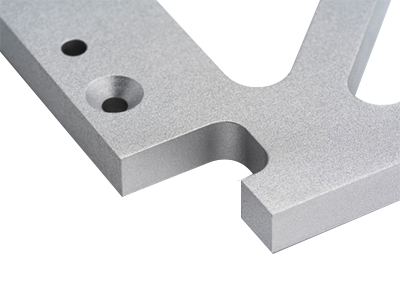
Bronze
Introduction of Bronze

Bronze is made by mixing copper with up to approximately 35% tin and up to 8% lead. The inclusion of lead alloy, which is a soft metal, is what makes it so machinable. Bronze is great for applications such as bearings as well as marine applications on pumps and fittings where corrosion resistance against seawater is required. This material’s mechanical properties don’t quite measure up to many other machinable metals, so it is best used on low-stress components made with CNC machining.
Bronze, brass, and other copper alloys have a range of important electrical, mechanical, and corrosion-resistant properties. Specifically, bronze has excellent machinability, with an index of 100%. It also has low friction properties that make it ideal for parts that undergo continuous frictional contact.
Information of Bronze
Feature
Information
Subtypes
C932
Process
CNC machining, sheet metal fabrication
Tolerance
With drawing: as low as +/- 0.005 mm No drawing: ISO 2768
Applications
Bus bars, gaskets, wire connectors, and other electrical applications
Finishing Options
Available as-machined, media blasted, or hand-polished
Subtypes
Tensile Strength,
Yield (MPa)
Fatigue Strength
(Mpa)
Elongation at Break
(%)
Hardness
(Brinell)
Density
(g/cm^3)
Bronze C932
125
110
20
65
8.93